About Brainrot Labyrinth
Brainrot Labyrinth puts you inside a maze with a key to find and monsters to deal with. The first-person view makes each turn a small decision: follow the corridor, check a side passage, or back away from something approaching. You have several tools available, so the challenge combines navigation with choosing how to respond to a particular enemy. Finding the exit is only part of the job; you also need the golden key.
The opening level gives you a minimap, a health display, and a tool selection. Those details matter because the corridor in front of you never tells the whole story. A familiar corner can look different when you approach it from the other direction. Keep the map and your immediate surroundings in mind together, and make a point of noticing where a passage connects before rushing into the next one.
The Meme Behind Brainrot Labyrinth
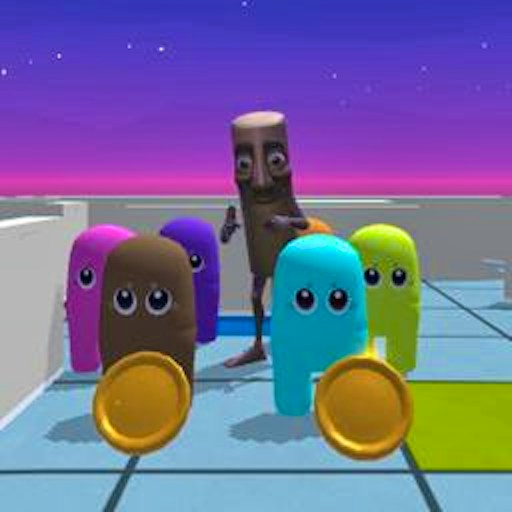
The monsters bring the exaggerated shapes and strange combinations associated with brainrot characters into a conventional dungeon problem. Their appearance is more than decoration here: the game's tool system encourages you to distinguish one creature from another. The official description pairs different monster weaknesses with equipment such as a fishing rod, shears, and a flamethrower.
That mix gives the maze a playful tone even when you are trying to avoid a bad encounter. You do not need a history of every meme to start. What helps is remembering the creature you just saw, the tool you used, and whether the result made it easier to continue. Learn that relationship through the feedback in the game.
How to Play Brainrot Labyrinth
Choose INTO THE MAZE! to enter the first level. Before moving far, locate the health display, minimap, and currently selected tool. Turn the view slowly with the mouse so you know which direction you are facing. A deliberate first look makes it easier to recognize the starting area if you pass through it again.
Move with WASD and follow the corridors while looking for the golden key. At a junction, choose a direction you can remember. Checking one branch at a time is easier to track than changing your plan every few steps. Use the minimap to compare what you see ahead with the passages around your current position.
When a monster appears, take a moment to identify it and select an appropriate tool with the number keys. Click or press Space to attack. Watch the actual result before committing to repeated attacks; a tool being equipped does not by itself mean it is the right response to that creature.
Shift lets you run, but faster movement also gives you less time to read a junction or approaching obstacle. Use speed where you understand the route. If you lose your bearings, return to slower movement and use a recognizable turn as a reference instead of adding several more unfamiliar corners to the problem.
After finding the key, work toward the exit while continuing to monitor threats. A promising corridor is worth checking against the map before you follow it too far. The official description includes changing maze layouts and tougher encounters every fifth stage, so treat a route learned in one attempt as a local solution rather than a universal map.
Controls
- WASD: Move through the maze.
- Mouse: Turn and aim the first-person view.
- Left click or Space: Use the equipped attack.
- Number keys 1–5: Switch tools.
- Shift: Run. Esc: Pause.
- Touch input: not verified on a physical phone; follow the game prompts if your device offers touch controls.
Tips & Tricks
- Choose a simple junction habit, such as checking a side branch before continuing straight. Consistency helps you remember which areas you have already explored.
- Compare the minimap with a visible landmark after turning around. The same intersection can feel unfamiliar when your viewpoint changes.
- Check your selected tool before engaging a monster. A quick equipment decision is more useful than repeating an ineffective action.
- Leave yourself room to retreat when examining an unfamiliar enemy. Moving directly into close contact makes it harder to observe the encounter calmly.
- Use running to cover understood ground. Slow down when a new corridor, junction, or monster needs your attention.
- Separate navigation mistakes from combat mistakes after an attempt. Remembering the wrong turn and choosing the wrong tool are different problems to practice.
Why Play Brainrot Labyrinth Here
Pick Brainrot Labyrinth when you want an escape game built around exploration instead of a single straight chase. The first level gives you a clear goal, but reaching it asks you to connect several small observations: where you have been, what you are carrying, and which creature is ahead. It suits players who enjoy building a mental map and adjusting their approach as they discover how an unfamiliar environment works.