About Brainrot Click to Hatch
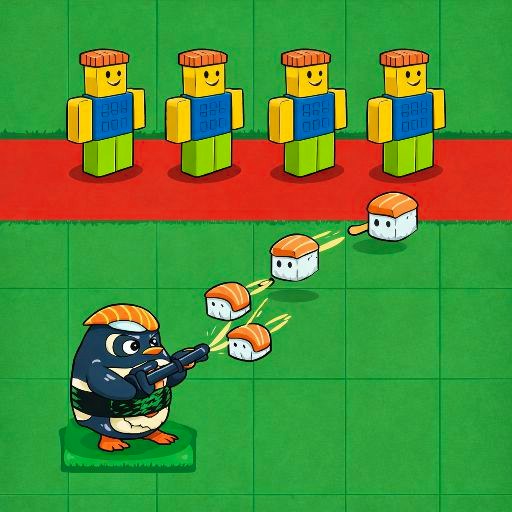
Brainrot Click to Hatch gives repeated clicks a very specific destination: another character to hatch and another form to discover. You collect energy through tapping, spend on upgrades, and push the collection toward increasingly exaggerated evolutions. The hook is partly the growing number and partly the question of what the next reveal will look like. A familiar creature is unlikely to stay ordinary for long.
The useful decisions happen between bursts of clicking. You can keep working toward the next visible goal, or inspect an available upgrade and decide whether it will help you reach that goal sooner. That little interruption matters. A clicker becomes easier to follow when you understand why you are collecting energy instead of only watching a counter move.
The Meme Behind Brainrot Click to Hatch
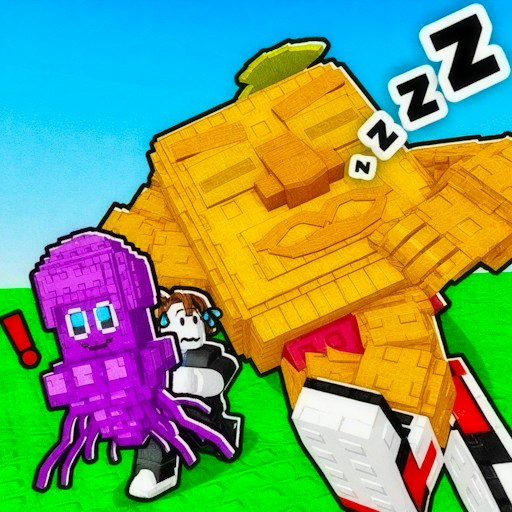
The theme turns the collection into a parade of unlikely faces and transformations. GamePix describes a range from familiar viral characters to MAX POWER versions. You do not need to arrive with a complete character list. Part of the appeal is letting the next hatch introduce itself, then comparing its appearance with the forms you have already encountered.
Treat the exaggerated names and visuals as part of the joke. They give otherwise abstract progression a recognizable shape: you are working toward a reveal, not just another digit. Players who enjoy collecting can follow that thread, while players who prefer incremental games can concentrate on the relationship between energy, costs, and the upgrades currently offered.
How to Play Brainrot Click to Hatch
Open the player and follow its starting prompts. Use the main click interaction to begin collecting energy, then take a moment to identify the counter and the available buttons. Make a few deliberate inputs before clicking rapidly. You want to know which area performs the main action and which areas open menus or spend resources.
Read the next visible requirement and choose a short-term target. That might be an upgrade you can already afford or a hatch you want to reach. Concentrating on one target makes progress easier to judge. If you alternate between several purchases without checking their descriptions, it becomes difficult to tell which choice helped.
When inspecting an upgrade, compare its stated effect with its cost. Ask what will change after buying it and whether that change supports your current goal. The cheapest option is not automatically the best, and saving indefinitely can leave a useful improvement sitting unused. Let the information displayed by the game guide the decision.
After purchasing, return to the main interaction and observe the difference. This gives you a practical way to learn the economy without needing a spreadsheet or an external build order. Use the same process after a new character or evolution appears: inspect the changed screen, identify the next requirement, and decide what to pursue.
Give each reveal time to finish before resuming your clicking. Hatching is the reason you built up the energy in the first place, and a transition can also change which buttons are available. Slowing down briefly helps you enjoy the new character and avoids clicking a different control simply because it appeared under your pointer.
Controls
- Left mouse button: Perform the game's click interaction and choose menu options.
- Touch input: not verified on a physical phone; follow the game prompts if your device offers touch controls.
- Upgrade buttons: Read each displayed description and cost before selecting a purchase.
- Expand: Give the player more space if the upgrade labels are difficult to read.
Tips & Tricks
- Set a small, visible goal. Reaching one affordable improvement is easier to evaluate than vaguely trying to complete the entire collection.
- Check what an upgrade actually changes. A dramatic label is less useful than its displayed effect on the action you are currently performing.
- Compare progress before and after a purchase. Watching a few interactions can tell you more than immediately buying another option.
- Pause your tapping during a screen transition. Let the new hatch or menu settle so your next input lands where you intend.
- Revisit the available choices when progress slows. The answer may be a different purchase order rather than simply clicking faster.
- Keep the collection in view as a goal. If the numbers start feeling repetitive, work toward a particular visible reveal instead of buying options without a plan.
Why Play Brainrot Click to Hatch Here
This is a good pick when you enjoy a clear action, a visible resource, and a collection that keeps changing its appearance. You can settle into the clicking rhythm, then break it up with a purchase or a new hatch. The game gives you a reason to inspect what your effort produced. Seeing a strange form appear is satisfying in a different way from clearing a course or surviving a wave, even when the path there was mostly a busy mouse button.