Parkour & Obby Brainrot Games
Line up your jumps and work through obstacle courses.
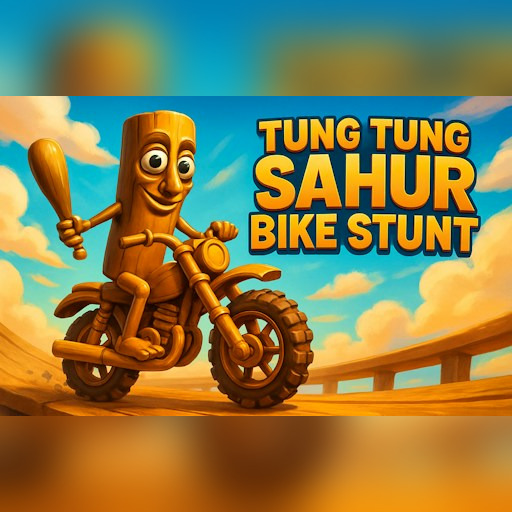
Tung Tung Sahur Bike Stunt
Parkour & Obby
Brainrot Chaser: Brainrot Challenge Game
Parkour & Obby
Brainrot Jump Adventure
Parkour & Obby
Jump for Brainrot
Parkour & Obby
Tung Tung Sahur Flip or Die
Parkour & Obby
Brainrot Mega Parkour
Parkour & ObbyTemporarily unavailableShowing 1–6 of 6 games
Find the movement problem in the course
Parkour and obby games often turn a route into a sequence of movement decisions. Some ask for jumps between platforms; others use a vehicle, a runner course or another control scheme. Begin by reading the individual game's instructions and identifying where a short successful section ends. The category is a way to find obstacle-focused activities, not a guarantee that every title uses the same jump key or camera.
Bike Stunt and Brainrot Chaser illustrate that difference. The first reached Area 1 and responded to W toward an opening ramp in the recorded check. The second entered Level 1 and responded to a horizontal drag. One gives you a vehicle approach to practice; the other asks you to position a character along an advancing route. Neither opening record establishes a completed course or physical-phone play.
Practice a section you can reproduce
Pick a visible landmark near the first obstacle and learn how to reach it consistently. Then focus on the next movement. If the start varies on every attempt, you may arrive at the obstacle in different positions and misread the cause of failure. A repeatable opening makes a small change in timing easier to evaluate.
When you fail, change one decision rather than every input. For a jump, that might mean reconsidering where the approach begins. For a runner, it might mean a smaller lateral movement. For a vehicle, it might mean learning one control before combining several. These suggestions organize practice; they do not claim a universal physics model, an optimal path or a verified technique for every game in the collection.
Check the view before trying again
A narrow player area can hide upcoming terrain or important instructions. Use a comfortable view where you can see both the character and the next decision point. Expanding the player may help with visibility, but it cannot add unsupported controls. Follow the dated device note and distinguish listed keys from actions actually observed in a check.
If a retry leaves you at a provider screen, use the loading guide rather than assuming the course is broken. If you want a session with less movement pressure, compare Puzzle & Merge. Recently played can help you return to a course later, but it is not a backup of its checkpoints.